
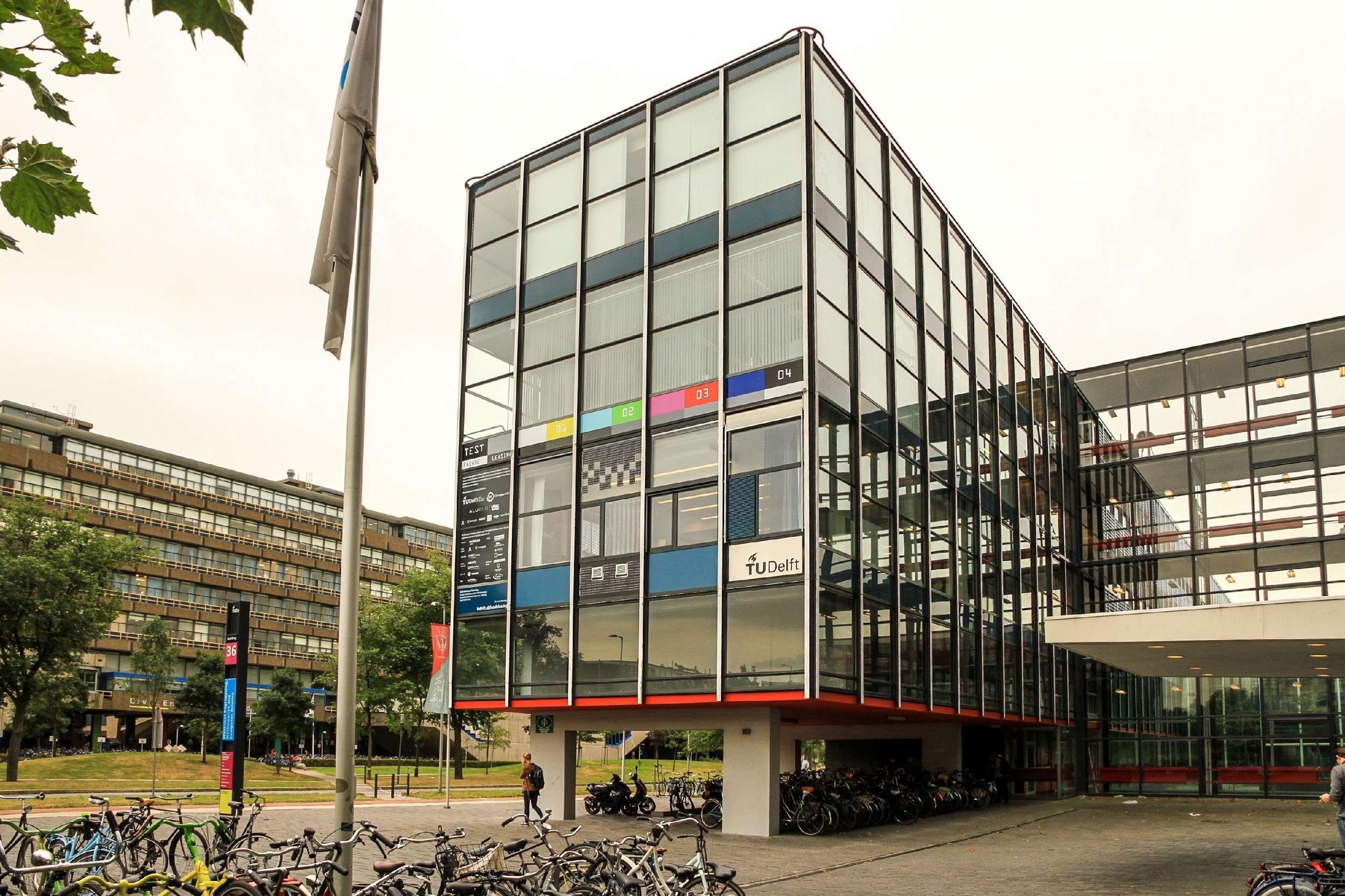
The construction and renovation of the building envelope represents a significant fraction of a project’s life-cycle costs. It also has a determinant effect on the potential reduction in energy use, as well as on the improvement of the building’s indoor comfort. Nevertheless, the challenge of a low rate and depth in building energy renovations cannot be solved through technological innovation alone. Instead, the Façade Leasing research project proposes a systemic shift in economic and business incentives, towards the creation of a performance-based contracting model for integrated facades.

Façade Leasing
Façade Leasing explores an integral, cross-disciplinary model promoting accelerated strategic investment in energy-efficient building envelopes. A focus on performance delivery, rather than product sales, would in turn impulse ongoing innovation in products and management processes. It would also provide the foundations for Circular Economy strategies for the reuse and remanufacturing of building components, leading to a potential reduction in primary raw material consumption across the façade industry.

This study starts by describing the “Façade Leasing pilot project” developed and built at the TU Delft campus by a consortium of academic and industry partners. It then outlines the main drivers and barriers to the commercial application of the Façade-as-a-Service concept in the Dutch public, non-residential real estate sector, from the perspective of four key stakeholder groups: Demand drive, or the decision-making process of real estate developers, owners, and managers; Supplier readiness, or the necessary reorganization of products and processes along the supply-chain; Finance, or the distribution of financial resources bridging the gap between initial investment cost and long-term service fees; and Governance, or the necessary regulatory innovation required to separate ownership of building and façade.

The research shows that, while further research and validation work is needed to test these principles in a controlled, case-study setting, the potential for façade-as-a-service delivery is within reach under the current legal and economic environment.

To read the full version of the article download the PDF

Authors:.Juan F. Azcarate-Aguerre, T. Klein, A.C. den Heijer, R. Vrijhoef, H.D. Ploeger & M. Prins
De afgelopen jaren is het zelf bouwen van woningen door particulieren gestimuleerd door zowel landelijke als lokale overheden (o.a. VROM, 2000). In de periode 2010-2015 was gemiddeld 17,4% van de nieuwbouwkoopwoningen zelfbouw; in 2016 is dit percentage gestegen naar 27,6% (CBS, 2017). Binnen zelfbouw kan onderscheid gemaakt worden tussen individueel particulier opdrachtgeverschap (IPO) en collectief particulier opdrachtgeverschap (CPO).

Collectief particulier opdrachtgeverschap
CPO is een vorm van projectontwikkeling waarbij een groep particulieren gezamenlijk grond en/of gebouwen koopt en in eigen beheer hun toekomstige woningen (her)ontwikkelt. Dit artikel laat zien dat CPO kan bijdragen aan sociale cohesie en toegang tot burenhulp omdat de toekomstige bewoners elkaar goed leren kennen tijdens het CPO-proces. Ook grotere CPO-projecten met bewoners in dezelfde leeftijdscategorie en gemeenschappelijke voorzieningen, laten positieve resultaten zien in relatie tot sociale cohesie en toegang tot burenhulp.

De afgelopen jaren is het zelf bouwen van woningen door particulieren gestimuleerd door zowel landelijke als lokale overheden (o.a. VROM, 2000). In de periode 2010-2015 was gemiddeld 17,4% van de nieuwbouw-koopwoningen zelfbouw; in 2016 is dit percentage gestegen naar 27,6% (CBS, 2017). Binnen zelfbouw kan onderscheid gemaakt worden tussen individueel particulier opdrachtgeverschap (IPO) en collectief particulier opdrachtgeverschap (CPO).

CPO-nieuwbouwprojecten
CPO kan betrekking hebben op nieuwbouw, maar ook op herontwikkeling, renovatie of transformatie. In ons onderzoek richtten we ons alleen op CPO-nieuwbouwprojecten, aangezien deze vorm van CPO het meest voorkomt in Nederland. Er wordt aangenomen dat CPO een aantal voordelen heeft ten opzichte van andere vormen van projectontwikkeling. Agentschap NL (2012) noemt twee hoofdmotieven om te gaan bouwen middels CPO. Het eerste motief heeft te maken met kwaliteit, meer keuzevrijheid en zeggenschap om een woning te realiseren die maximaal aansluit bij de specifieke woonwens of ideologie op het gebied van duurzaamheid, architectuur, samenleven of zorg. Het tweede motief dat genoemd wordt is betaalbaarheid. De deelnemers bouwen hun woningen in principe tegen kostprijs. Dit motief is vaak voor starters de belangrijkste drijfveer (Agentschap NL,2012). Naast deze twee motieven noemt BIEB, een adviesbureau dat gespecialiseerd is in het ondersteunen van CPO-projecten, een derde hoofdmotief voor het bouwen in CPO, namelijk het stimuleren van onderling contact onder de bewoners (BIEB, 2017). Omdat deelnemers al vroeg kennis maken met hun toekomstige buren en buurt tijdens het CPO-proces, ontstaat er betrokkenheid met de buurt en met elkaar (o.a. Boelens et al. 2010; Fromm, 2012).

Voor het volledige artikel downloadt u de PDF

auteurs: Pauline van den Berg, Kelly van der Wielen, Stephan Maussen en Theo Arentze